
Ultimate Guide To Products For Sunroom Installations You Can Trust
Find the most reliable and effective products to create a beautiful and functional sunroom environment.
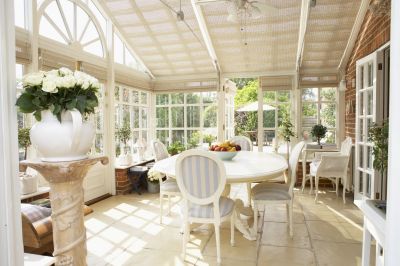 Sunroom installations offer a versatile space that blends indoor comfort with outdoor views, making them a popular addition to many homes. When planning a sunroom, selecting the right products is essential to ensure durability, functionality, and aesthetic appeal. From framing materials and flooring options to lighting and climate control solutions, each component plays a vital role in creating an inviting environment. The variety of available products allows homeowners to customize their sunroom to suit personal preferences and specific needs, whether for relaxation, entertaining, or growing plants.
Top Overall Option
Modular Sunroom Frame System
A modular sunroom frame system offers flexibility in design and installation, allowing homeowners to customize the size and shape of their sunroom with ease. Made from durable materials such as aluminum or vinyl, these systems provide stability and low maintenance. They are compatible with various glazing options, enabling tailored light and insulation performance. This type of product is ideal for those seeking a versatile, scalable solution that can adapt to different architectural styles and space constraints.
Types of Products For Sunroom Installations
Aluminum Framing Systems
Lightweight and corrosion-resistant, aluminum framing is popular for its durability and sleek appearance.
Vinyl Framing Materials
Vinyl offers low maintenance and good insulation properties, making it a practical choice for many homeowners.
Wooden Frames
Wood provides a classic aesthetic and natural warmth but requires regular upkeep to maintain its appearance.
Double-Glazed Windows
Double-glazed windows help improve energy efficiency and reduce noise, enhancing comfort inside the sunroom.
Triple-Glazed Windows
Triple-glazed options offer increased insulation for regions with more extreme temperature variations.
Skylights
Skylights introduce additional natural light and can be installed in various roof styles.
Flooring Materials
Options include ceramic tiles, hardwood, laminate, and composite flooring for durability and style.
Lighting Fixtures
Recessed, pendant, or track lighting can enhance ambiance and functionality during evening hours.
Climate Control Systems
Heaters, fans, and air conditioning units help regulate temperature and airflow within the space.
Weather-Resistant Furniture
Furniture made from materials like resin, treated wood, or metal withstands sun and moisture exposure.
Window Treatments
Blinds, shades, or curtains provide privacy and control over natural light.
Screen Enclosures
Screens help keep insects out while allowing airflow and visibility.
Gutter Systems
Proper guttering directs rainwater away from the structure, protecting the foundation.
Sealants and Weatherstripping
These materials improve energy efficiency by preventing drafts and leaks.
Electrical Components
Outlets, switches, and wiring should be compatible with the lighting and climate control systems.
Popular Choices
Popular for easy access and maximizing views, sliding doors are common in sunroom designs.
These provide flexible insect protection and airflow control.
Widely used to enhance insulation and reduce energy costs.
A stylish and durable choice for high-traffic sunroom areas.
Help circulate air and maintain comfort during warmer months.
Energy-efficient lighting options that suit various design preferences.
Add privacy and UV protection while maintaining natural light.
Help improve thermal performance for year-round usability.
Provide supplemental warmth during cooler seasons.
Ideal for growing plants and adding greenery to the sunroom.
Create ambiance and highlight architectural features.
Comfortable and durable for outdoor exposure.
Offer shade and reduce glare during sunny days.
Automate window or roof operation based on weather conditions.
Control lighting, climate, and security features remotely.
Proper insulation and sealing are crucial for maintaining a comfortable temperature year-round, especially in regions with fluctuating weather conditions. Windows and glass panels are key elements that influence natural light and energy efficiency. Choosing the right type of glazing can optimize sunlight while minimizing heat transfer. Additionally, lighting fixtures and electrical components should be selected to complement the space's ambiance, providing adequate illumination during evening hours.
Furniture and decor items should be selected with consideration for exposure to sunlight and humidity. Durable, weather-resistant materials help extend the lifespan of furnishings and accessories. Flooring options vary from tiles and hardwood to composite materials, each offering different benefits in terms of maintenance and style. Ventilation systems, including ceiling fans and exhaust vents, contribute to air circulation and overall comfort. Thoughtful integration of these products results in a functional, attractive sunroom that enhances the home's living space.
Key Buying Considerations
- Material durability and maintenance requirements
- Insulation properties to suit climate conditions
- Compatibility of framing and glazing options
- Natural light and view maximization
- Ease of installation and customization options
- Energy efficiency features to reduce long-term costs
- Weather resistance and sealing quality
- Compatibility with existing home architecture
- Ventilation and airflow capabilities
- Safety features such as tempered or laminated glass
- Ease of cleaning and accessibility
- Aesthetic appeal and design flexibility
- Cost and budget considerations
- Availability of warranties and support
- Compatibility with existing electrical systems